How Do You Install Linoleum Flooring in a Bathroom?
Learning how to install linoleum flooring in a bathroom starts with proper subfloor prep, underlayment selection, and moisture protection. With the right steps, you can achieve a durable, water-resistant, and stylish finish that lasts for years.
Are you wondering how to install linoleum flooring in a bathroom? Whether you’re remodeling an older space or updating your flooring for a fresh, clean look, linoleum is a durable, eco-friendly, and stylish choice—especially for homes across Bergen County and Northern New Jersey. In this guide, we’ll walk you through the essential steps for installing linoleum flooring in a bathroom, covering everything from subfloor preparation to underlayment choices. Knowing how to install linoleum flooring in a bathroom properly ensures a longer lifespan for your floors and a professional finish you’ll love.
Why Choose Linoleum for Your Bathroom?
Linoleum flooring is making a comeback for good reason. It’s made from natural materials like linseed oil, cork dust, and wood flour, making it both biodegradable and water-resistant—ideal for the moisture-heavy environment of a bathroom. Homeowners across Bergen County appreciate linoleum’s blend of sustainability, style, and durability, especially in busy family homes.
How to Install Linoleum Flooring in a Bathroom
Step 1: Prepare the Subfloor
The first step in learning how to install linoleum flooring in a bathroom is preparing your subfloor. A solid foundation is crucial to avoid future issues like buckling, moisture damage, or uneven flooring.
Plywood Subfloor
If your bathroom has a plywood subfloor, ensure it’s clean, level, and free of any old adhesives. Sand down rough spots, fill gaps with leveling compound, and check for moisture damage. If necessary, replace any weak or rotting sections.
Concrete Subfloor
For concrete subfloors, clean the surface thoroughly and repair any cracks. Concrete must be dry and level before proceeding. Applying a self-leveling compound can help create the smooth base linoleum needs for proper adhesion.
Step 2: Install a Vapor Barrier
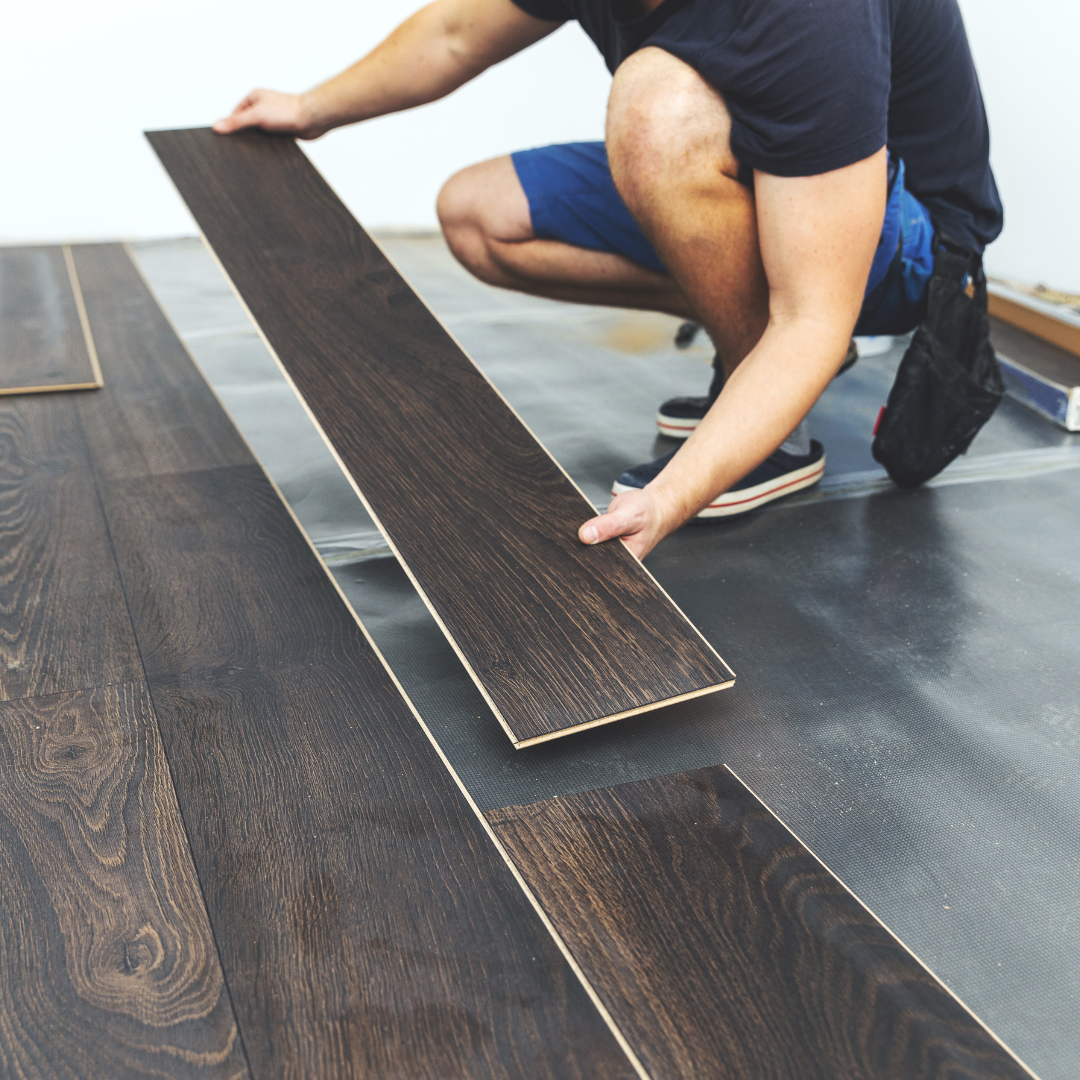
Bathrooms produce a lot of moisture, so installing a vapor barrier is non-negotiable. This thin plastic sheet (usually polyethylene) helps prevent moisture from seeping into the subfloor and damaging your linoleum. Lay it flat and overlap edges by a few inches to ensure full coverage.
Step 3: Choose the Right Underlayment
Underlayment provides a smooth surface for the linoleum to adhere to and adds a bit of cushion and soundproofing.
- Plywood underlayment is popular and easy to install.
- For concrete floors, a cement-based backer board may be better to manage potential moisture.
- Avoid cushioned underlayments, as they can make linoleum unstable over time.
Step 4: Acclimate the Linoleum
Before installation, unroll the linoleum and let it sit in the bathroom for at least 24–48 hours. This allows the material to adjust to the room’s temperature and humidity levels, reducing the chance of bubbling or shrinkage.
Step 5: Measure and Cut
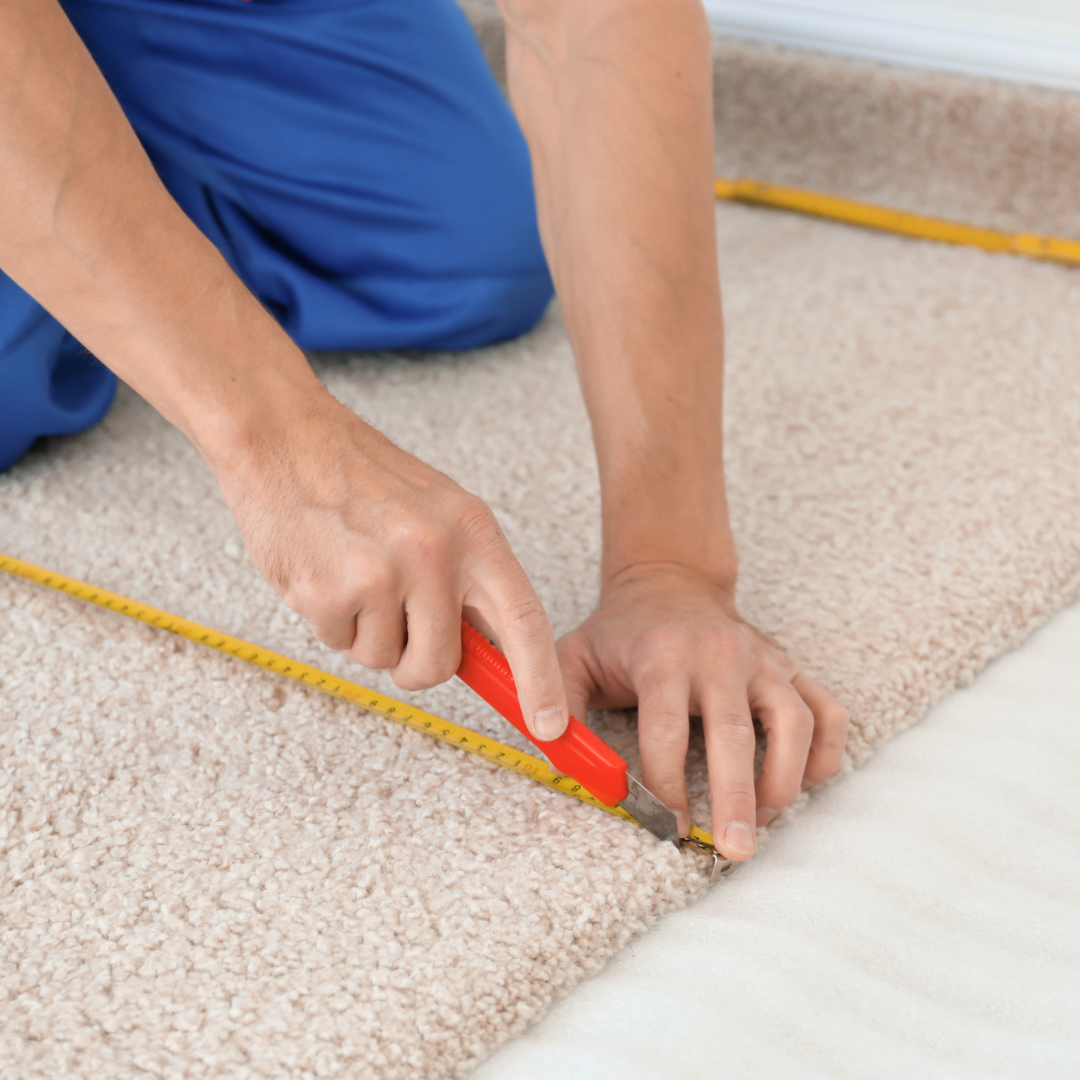
Carefully measure your bathroom space and cut the linoleum accordingly. A utility knife works well for precise edges. If you’re working with sheet linoleum, consider making a paper template of your bathroom to guide your cuts—especially around toilets and vanities.
Step 6: Apply Adhesive
Use a notched trowel to spread adhesive across the subfloor or underlayment in sections. Work in manageable areas to prevent the glue from drying before you can lay down the linoleum. Press the linoleum into place firmly, smoothing out air bubbles with a floor roller.
Step 7: Seal the Seams and Edges
Use a seam sealer and edge caulk to prevent moisture from seeping under the flooring. This is especially important near the bathtub, toilet, and sink. Let everything cure for at least 24 hours before walking on the floor or moving furniture back into the room.
Final Tips for Homeowners in Northern New Jersey
When learning how to install linoleum flooring in a bathroom, remember:
- Always check your subfloor condition.
- Use a proper vapor barrier.
- Choose the right underlayment, especially when working with plywood or concrete.
- Take time to measure, cut, and install carefully for a lasting finish.
If you’re not confident with DIY installations, Creative Floors and Designs in Bergen County is here to help. Our experienced team offers professional, mess-free linoleum flooring installation tailored to Northern New Jersey homes. We’ll ensure your new bathroom floor is water-resistant, stylish, and built to last.
Ready to Transform Your Bathroom Floor?
Now that you know how to install linoleum flooring in a bathroom, it’s time to take the next step. Whether you’re a confident DIYer or prefer to leave it to the pros, Creative Floors and Designs is here to help. We’ve proudly served Bergen County and Northern NJ for years, bringing expert flooring solutions right to your home.
Let’s make your bathroom floor not only functional but stunning. Fill out our quick consultation form today and one of our flooring specialists will be in touch to discuss your project, budget, and style preferences. Your dream bathroom starts here!
FAQs
1. Is linoleum flooring waterproof?
Linoleum is water-resistant but not fully waterproof. With proper sealing and maintenance, it performs well in bathrooms.
2. Can linoleum be installed over existing tile?
Yes, but only if the tile is level and in good condition. A leveling compound may be needed.
3. Do I need to remove the toilet before installing linoleum?
It’s highly recommended to remove the toilet for a cleaner, more professional finish.
4. How long does linoleum flooring last in a bathroom?
With proper care, linoleum can last 20–40 years.
5. What tools do I need for installation?
You’ll need a utility knife, notched trowel, adhesive, floor roller, and seam sealer.
6. Can I install linoleum myself?
Yes, but it requires patience and precision. If unsure, hiring a professional is the best option.
7. Does linoleum require a vapor barrier?
Absolutely—especially in bathrooms to prevent moisture damage.
8. Is linoleum eco-friendly?
Yes! Linoleum is made from natural materials and is fully biodegradable.
9. Can linoleum handle radiant heat flooring?
Yes, linoleum is compatible with radiant heating systems when installed correctly.
10. What’s the difference between linoleum and vinyl?
Vinyl is synthetic and more water-resistant, while linoleum is natural and eco-friendly.