Which is better for bathroom flooring: linoleum or vinyl?
Vinyl is generally better for bathrooms due to its superior water resistance, easier installation, and lower cost. Linoleum can also work but requires professional installation, proper sealing, and good ventilation. Choose vinyl for high-moisture areas, and linoleum if you prefer eco-friendly materials and are willing to commit to maintenance.
Choosing bathroom flooring involves more than aesthetics. These spaces face humidity, splashes, product spills, and steady foot traffic. At Creative Floors & Designs, serving homeowners across Northern New Jersey, we understand how much the right choice affects both function and feel. This guide compares linoleum and vinyl for bathroom use, covering water resistance, installation, durability, cost, style, and maintenance.
Understanding the Basics
What is Linoleum?
Made from linseed oil, wood flour, cork dust, and other natural ingredients pressed onto a backing like jute or canvas, linoleum has been around since the 1860s. It’s often described as an eco-friendlier option due to its biodegradable components.
What is Vinyl?
Vinyl is synthetic, constructed from PVC with additives and wear layers. It’s available as sheets, tiles, or planks, including luxury varieties that convincingly resemble stone or hardwood.
Why It Matters for Bathrooms
Bathrooms present a unique mix of moisture, temperature shifts, and frequent cleaning. Choosing flooring that can manage these conditions without warping, cracking, or requiring constant upkeep is essential for long-term satisfaction.
Comparing Key Features
Water Resistance
- Vinyl: Offers excellent protection against moisture. Many types, particularly sheet or waterproof luxury vinyl, are nearly waterproof and suited for wet environments.
- Linoleum: Water-resistant but not waterproof. Prolonged exposure to moisture can lead to warping or curling if not properly sealed. This makes installation details more important.
- Verdict: For areas exposed to constant dampness, vinyl is less risky. Linoleum can work, but only with careful sealing and ongoing maintenance.
Installation
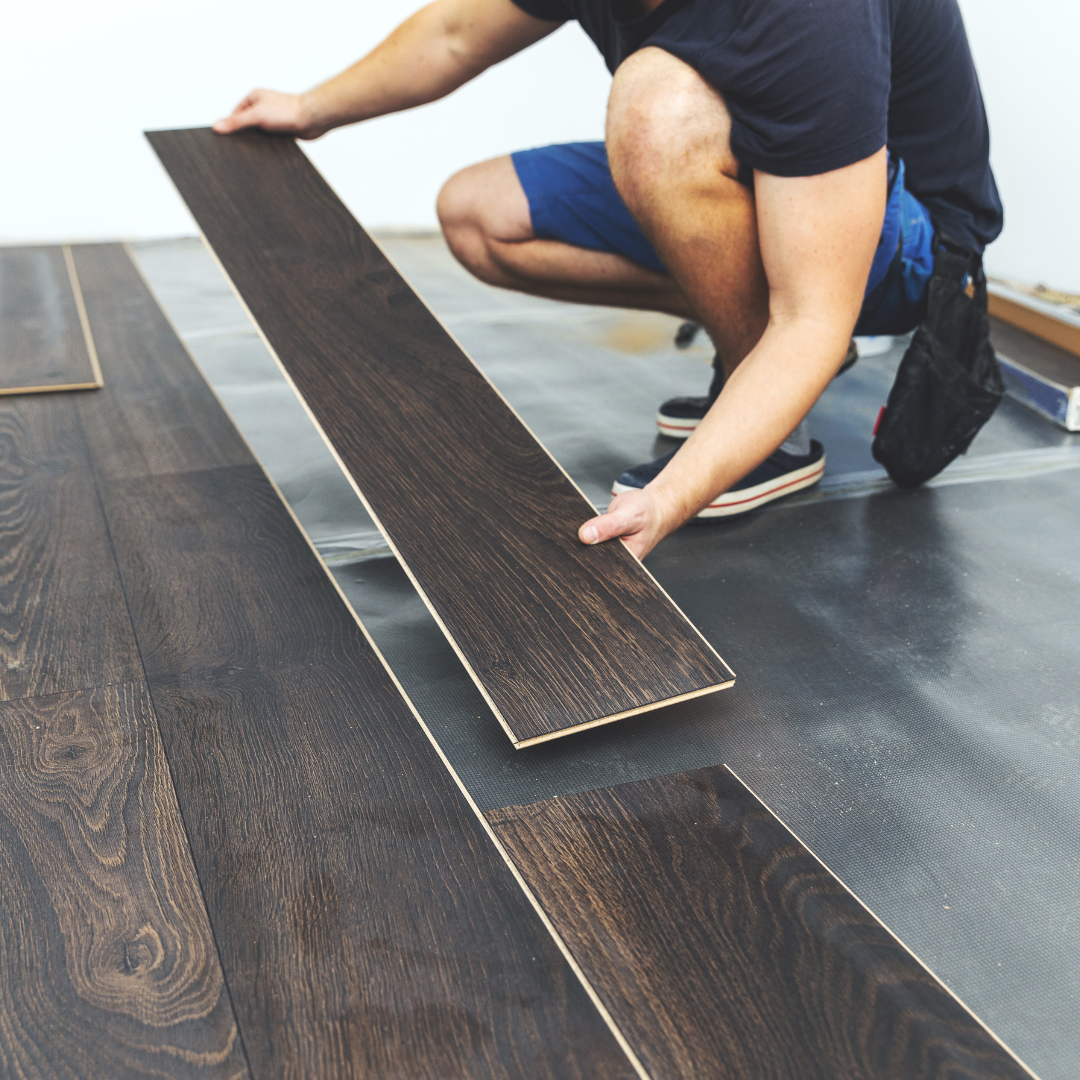
- Vinyl: Plank and tile formats are user-friendly for DIY projects. Sheet vinyl requires a smoother subfloor and greater precision but remains more accessible than linoleum.
- Linoleum: Installation is more complex. It often needs a flat, well-prepped subfloor, with seams welded or tightly sealed. Acclimating the material to the room is also recommended, which adds time and planning.
- Verdict: Vinyl offers a simpler path, especially for non-professionals. Linoleum works well when installed by experienced hands with attention to detail.
Durability and Longevity
- Linoleum: The color and pattern run through the material, allowing it to wear evenly. Under proper care, linoleum can last between 20 to 40 years.
- Vinyl: Generally lasts 10 to 20 years, depending on product quality and wear layer. Damage to the top layer may show more easily, and it’s not always repairable.
- Verdict: Linoleum has the edge in lifespan but requires more commitment to care and proper installation.
Cost
- Vinyl: Typically costs less for both materials and installation. Prices range from $1 to $7 per square foot, depending on the style.
- Linoleum: More expensive overall. Material alone may run $2.50 to $5.50 per square foot, with installation adding another $3 to $5.
- Verdict: For budget-focused renovations, vinyl offers strong value. Linoleum makes sense when long-term performance or sustainability is a priority.
Appearance and Style
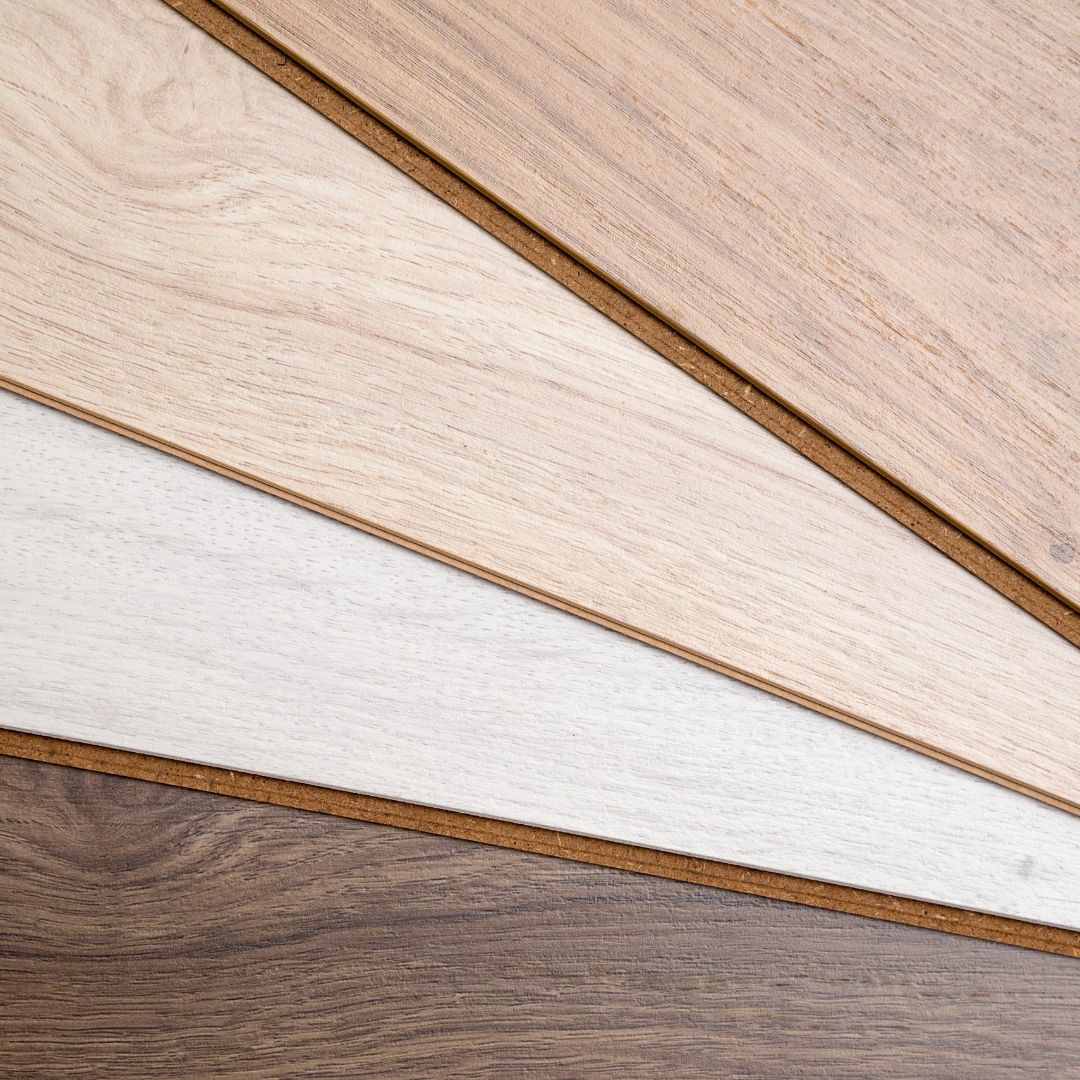
- Vinyl: Offers wide-ranging designs, including realistic wood and stone patterns. It’s ideal for achieving a specific look, from rustic to modern.
- Linoleum: More limited in design but consistent in color throughout. It doesn’t mimic other materials as closely but brings a classic, clean aesthetic.
- Verdict: Vinyl wins on variety. Linoleum provides a refined, traditional appearance suited to simple or retro-inspired designs.
Maintenance
- Vinyl: Easy to clean with standard sweeping and damp mopping. Its water resistance helps it perform well in bathrooms with minimal effort.
- Linoleum: Requires more attention to sealing and may need occasional resealing or polishing, depending on the product.
- Verdict: Vinyl is easier to live with daily. Linoleum demands more care but rewards with longevity.
Considerations for Northern New Jersey Homes
Moisture & Climate:
Older homes in the region may struggle with ventilation, especially in bathrooms. Vinyl’s resilience to moisture makes it a strong contender. Linoleum needs good airflow and proactive moisture control to avoid issues.
Subfloor Conditions:
Vinyl handles minor imperfections better than linoleum. In homes with aging or uneven subfloors, vinyl may require less prep and pose fewer risks.
Style Alignment:
Classic or historic homes may benefit aesthetically from linoleum’s timeless appeal. Vinyl adapts more easily to modern or transitional styles.
Budget & Project Goals:
For smaller renovations or second bathrooms, vinyl helps keep costs manageable. Linoleum suits major remodels where quality and natural materials are priorities.
Our Recommendation
At Creative Floors & Designs, we suggest the following based on your specific needs:
- For high-use bathrooms (family, guest, or master with frequent showers), vinyl offers the best mix of water resistance, easy installation, and variety.
- If you’re remodeling a powder room or prefer natural materials, linoleum is a good match—as long as proper installation and ventilation are part of the plan.
- In moisture-prone areas like basement bathrooms, vinyl holds up better. Linoleum can be used, but only with excellent prep and sealing.
- For eco-conscious homeowners, linoleum’s natural ingredients are a clear benefit.
Both options can succeed if installed and maintained properly. Vinyl offers a straightforward, lower-risk route. Linoleum requires more care upfront and over time but can deliver standout results in the right setting.
Practical Installation and Care Tips
Subfloor Prep
Flat, clean, and dry subfloors are essential. Check for leaks, damp spots, or signs of damage before installing.
Edge and Seam Sealing
For vinyl, seal seams tightly and ensure transitions to walls or adjacent rooms are secure. Linoleum may require welded seams or specialized adhesives for full protection.
Ventilation Matters:
Humidity shortens the lifespan of any flooring. Use vent fans, limit puddles, and seal fixtures properly.
Regular Maintenance
Use appropriate cleaners—neutral pH for linoleum, manufacturer-approved solutions for vinyl. Avoid harsh chemicals and excess water.
Prevent Wear
Place mats near tubs and sinks. Inspect regularly for lifting edges, gaps, or damage, especially in older installations.
Ready to Choose the Right Bathroom Flooring?
Whether you’re leaning toward the eco-friendly charm of linoleum or the water-resistant reliability of vinyl, the key to long-term success lies in expert guidance and professional installation. At Creative Floors & Designs, we’ve helped countless Northern New Jersey homeowners transform their bathrooms with flooring that blends style, function, and durability.
Not sure which option is best for your space? Our team is here to help.
Schedule your free consultation today and let’s bring your bathroom vision to life with flooring that fits your lifestyle, budget, and home design.
FAQ
Is linoleum waterproof enough for bathrooms?
Linoleum is water-resistant but not waterproof. It can work in bathrooms if properly sealed and maintained, but it’s riskier in high-moisture areas.
Is vinyl flooring safe for bathroom use?
Yes, especially waterproof vinyl varieties. It’s one of the best options for bathrooms due to its excellent moisture resistance and low maintenance.
Which flooring lasts longer, linoleum or vinyl?
Linoleum can last 20–40 years with proper care, while vinyl typically lasts 10–20 years. Linoleum requires more maintenance to achieve its full lifespan.
Is vinyl flooring cheaper than linoleum?
Generally, yes. Vinyl is more affordable in both material cost and installation, making it a budget-friendly option for bathroom updates.
Can I install vinyl or linoleum myself?
Vinyl plank and tile formats are DIY-friendly. Linoleum, on the other hand, often needs professional installation due to its complexity and sealing requirements.
Which flooring is more eco-friendly?
Linoleum is the more sustainable choice, made from natural materials like linseed oil and cork dust. Vinyl is synthetic and less biodegradable.