What Are the Best Vinyl Planks for Basements & Moisture‑Prone Areas in 2026?
Yes — you can get stylish, durable flooring in a damp basement without sacrificing looks. With the right material and installation, the best vinyl planks will handle occasional moisture, temperature swings, and everyday living.
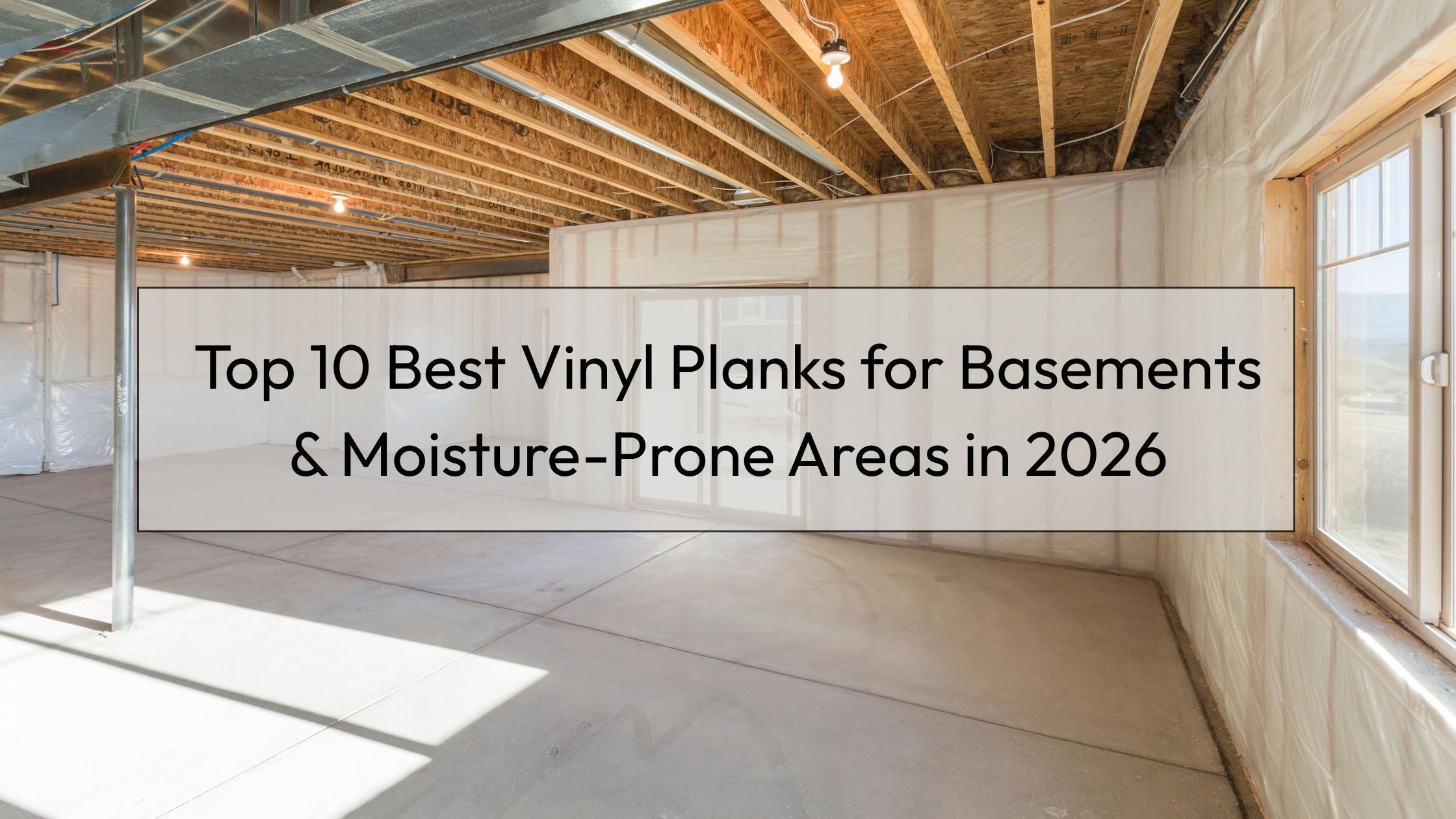
Basements and other moisture‑prone areas pose challenges such as low light, cooler temperatures, higher relative humidity, and potential water intrusion. Choosing the best vinyl planks for these areas means looking beyond aesthetics to factors like core construction, waterproofing, underlayment, and installation method.
Here’s a homeowner‑friendly guide (especially if you’re in Northern New Jersey, like us at Creative Floors and Designs) to help you feel confident about your basement flooring choice — and enjoy a finished space you’ll use, not just store things in.
What to Look for in the Best Vinyl Planks for Basements
When selecting the best vinyl planks for a basement or other moisture‑prone area, keep these key criteria in mind:
1. Waterproof or 100% water‑resistant core
Look for rigid‑core systems (often marketed as SPC = Stone Plastic Composite or WPC = Wood Plastic Composite) which are built to resist moisture and hold up in cooler, damp conditions. For example, WPC offers more underfoot warmth and comfort, while SPC offers higher dimensional stability — both useful for “below‑grade” or basement installations.
- Thick wear layer & good underlayment
In a basement where you may have heavy use (family room, play space, home gym), the wear‑layer is important. Many guides suggest wear‑layers in the 20 mil or more range for durability. Also, choosing a product with a built‑in acoustic pad or cork underlayment helps with comfort and sound (especially if kids or music are involved).
3. Good performance with cooler temps, varying humidity & concrete slabs
Basements tend to have cooler “acclimation time” for flooring as they adjust to room temperature and humidity levels. A product that is stable in temperature conditions and handles relative humidity fluctuations is key. Some floors designed for basements highlight this stability. Also, make sure the subfloor (often concrete) is dry, level, and prepped. A moisture‑barrier may still be needed under the vinyl.
4. Installation method suited for basement
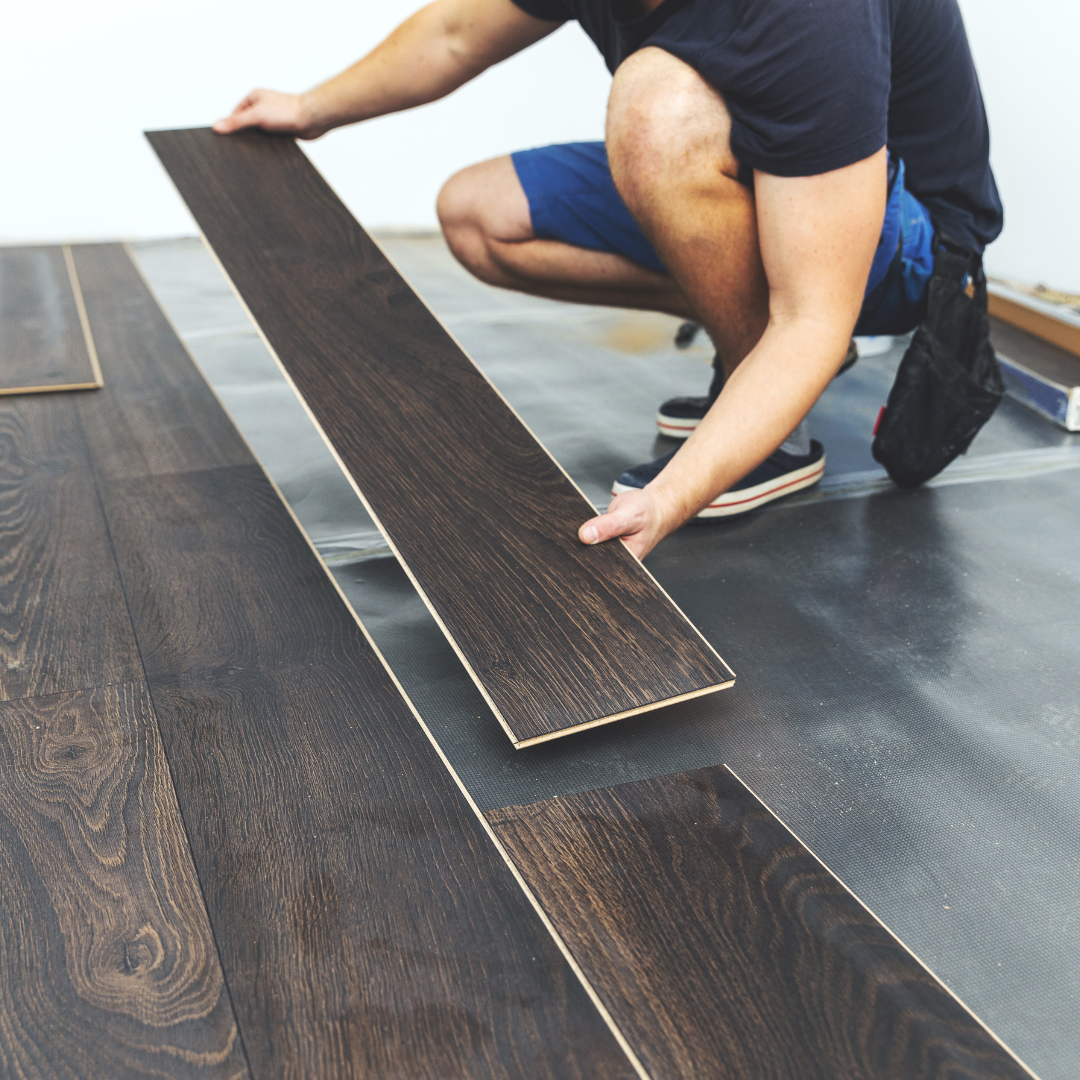
Click‑lock (floating) installations are much easier to retrofit over an existing slab or slab‑concrete. Glue‑down may offer more stability and less movement, but requires careful prep. Leaving correct expansion gaps around the perimeter is more important when temperature and humidity vary.
5. Moisture management and sound planning
Because basements may have higher humidity or occasional leaks, you’ll want to factor in humidity control (dehumidifier, ventilation) and a good underlayment or moisture‑barrier layer. Also consider sound transmission if your basement is a living space.
In short: the “best vinyl planks” for this space are not just looks – they must deliver performance under tougher conditions.
Top 10 Best Vinyl Planks for Basements and Moisture‑Prone Areas in 2026
Here are ten standout product lines you should look at (in no strict rank order, since finishes and budgets vary). These satisfy many of the above criteria and are well‑suited to basement use.
- COREtec Plus / Pro (SPC waterproof core): Known for 100% waterproof cores with click‑lock over concrete, ideal for basements.
- Shaw Floors Floorte Pro series: Rigid core, high wear layer, lower‑VOC options and built for moisture‑prone areas.
- Mohawk SolidTech Plus: Rigid vinyl with good dimensional stability and performance in fluctuating basement temps.
- Armstrong Flooring American Personality Pro: Highlighted by expert guides specifically as a “best for basements” option.
- Lifeproof Click‑Lock LVP: Widely available, fully waterproof, durable wear layer; good budget option for basement living spaces.
- Mannington Adura Max: Engineered for moisture‑resistant core and strong scratch/impact resistance, suited for basement traffic.
- NuCore Waterproof Rigid Core: Cork underlayment included, waterproof, good value for basement use.
- Pergo Extreme (WPC/SPC hybrid): Premium finish and high wear layer; best for basement remodels with budget.
- Parma Waterproof Vinyl Planks: Mid‑range value with click‑lock or glue‑down options, a good choice for home‑upgrade basements.
- Duchateau & Garrison Premium LVP Premium luxury vinyl planks with 100% waterproof core and designer finishes; great for high‑end basement living rooms.
Note: Even the best vinyl planks will underperform if the subfloor is damp, uneven, or installation is rushed. Proper preparation and prep for acclimation time, temperature conditions and humidity control are essential.
Pro Tips for Installing in Basements
- Let the planks sit in the basement environment (with climate control running if possible) for 48 – 72 hours before installation to help minimize expansion/contraction.
- Ensure the concrete slab is clean, level, dry (often less than 3 % moisture content) and, if needed, apply a moisture barrier.
- Install a quality underlayment or integrated pad if recommended by the manufacturer (for sound and comfort).
- Leave correct expansion gaps around the room perimeter and fixed objects — especially important with temperature and humidity swings.
- Use a dehumidifier or basement HVAC ventilation to maintain humidity in the 30 – 50 % range for best performance and durability.
- Select the correct installation method (click‑lock floating vs glue‑down) according to the product and condition of the subfloor.
- Place mats at entrances, especially if the basement has exterior access, to reduce moisture.
- Clean spills promptly and use manufacturer‑approved flooring cleaner; avoid steam mops on many vinyl plank surfaces.
- Monitor for any signs of moisture infiltration (walls, slabs) — flooring alone cannot fix a water problem.
Final Thoughts
If you’re renovating a basement in Northern New Jersey and want flooring that looks great and will last, focus on choosing the best vinyl planks that are truly waterproof, rigid‑core, and backed by strong wear‑layer specs. Then back it up with good installation — paying attention to acclimation time, temperature conditions and humidity control.
At Creative Floors and Designs, we’ve helped many homeowners pick and install basement‑ready flooring. If you’d like help selecting a brand, style, or coordinating installation, we’d be happy to guide you through the process. Let’s turn your basement into a finished, livable, moisture‑resistant space! Contact us today.
FAQ
Can I install vinyl plank flooring in a basement that sometimes gets a little damp?
Yes — if you choose one of the best vinyl planks designed for moisture‑prone areas (rigid core, waterproof rating) and you properly prepare the subfloor and manage humidity, it’s a smart choice. However, if the basement is prone to flooding or persistent moisture, you’ll also want to address the root cause.
How much wear layer do I need for a basement vinyl plank?
For basement use, look for a wear layer of 20 mil or more if the area is high traffic or used as a living space. Mid‑traffic areas may do fine with around 12 mil, but more is better for durability.
Does temperature condition and acclimation matter for a basement install?
Absolutely. Basements often have cooler temps and more stable humidity, but vinyl still needs to adapt to the environment. Allowing acclimation time helps minimize expansion/contraction issues and ensures the best long‑term performance.
Is click‑lock or glue‑down better for basement vinyl planks?
It depends on the product and subfloor. Click‑lock floating installations are easier and popular for DIY, but in basements where the slab might be uneven or slightly moist, a glue‑down option may give more stability. Always follow manufacturer guidelines for basement conditions.
Do I still need a moisture barrier or under‑layment with “waterproof” vinyl planks?
Yes — even the best product can underperform if the slab has moisture issues. A moisture barrier, proper underlayment, and room humidity control give you the full benefit of the flooring system.
What is the best way to handle a basement slump or dip when installing vinyl planks?
Level the subfloor first before installing. Use a patching compound if needed, and ensure the surface is smooth, level, clean and dry. Vinyl planks don’t hide major subfloor imperfections well and can telegraph dips or telegraph cracks.
Can I install luxury vinyl plank directly over existing tile in the basement?
Possibly — many rigid‑core vinyl planks are designed for floating install over existing hard surfaces, if the subfloor is level, dry, and stable. But you still must check moisture levels, cable/chair‑leg movement, and whether height increases are acceptable.