What makes professional floor installation services better than DIY or low-cost options?
Professional floor installation ensures proper subfloor preparation, correct material handling, and clean, durable results. Experts minimize future issues like buckling or gaps, use regional knowledge to manage environmental factors, and offer guarantees to protect your investment.
New flooring can dramatically update the look and feel of your home, especially in Northern New Jersey where home design matters to both lifestyle and resale. A well-installed floor doesn’t just look good on day one—it continues to perform and age well over time. At Creative Floors & Designs, we understand that the installation process carries just as much weight as the materials you select. This article explains what sets professional installation apart, how to choose a reliable contractor, what to expect during the process, and how to prepare your home for a successful project.
Why Expert Floor Installation Matters
Professional installation delivers more than a surface-level upgrade. It supports structural integrity, prevents future issues, and contributes to the overall value of your home.
Knowledge of Materials and Methods
Trained installers work with hardwood, laminate, vinyl, tile, and carpet daily. They understand how each material behaves in different environments. For instance, hardwood requires acclimation and careful subfloor inspection. An experienced crew anticipates issues like moisture levels, transitions between rooms, and expansion or contraction.
Avoiding Common Pitfalls
Mistakes during installation—such as ignoring subfloor problems or skipping acclimation—often don’t show up immediately. But over time, poor installs lead to buckling, squeaks, gaps, or uneven surfaces. Professionals minimize these risks by following best practices.
A Transparent Process
A reputable crew will walk you through each stage of the installation: from measuring and selecting materials to site preparation and clean-up. Some NJ companies use a five-step process that includes post-installation advice, ensuring homeowners are involved throughout.
Accountability and Standards
Licensed and insured contractors in Northern NJ are often listed with the Better Business Bureau and come with reviews from local homeowners. Professional companies typically offer work guarantees and stick to clear timelines, which helps build trust.
Home Comfort and Value
Properly installed floors are quieter, cleaner, and easier to maintain. Many New Jersey residents report improved durability and aesthetics, along with job sites left clean and dust-controlled.
When you hire experienced installers, you’re not just buying a product—you’re investing in how well it will serve your home over time.
What to Look for in a Flooring Contractor
Not all installers approach their work with the same care or transparency. Here’s what you should consider when selecting a contractor in Northern New Jersey:
- Detailed Proposals: Look for written estimates that include materials, labor, cleanup, scheduling, warranties, and whether services like moving furniture are included.
- Credentials and Feedback: Choose a contractor who is licensed, insured, and has positive local references. Check BBB listings and online reviews.
- Knowledge and Input: A good contractor will guide material selection based on room usage, foot traffic, and your lifestyle—not just push a particular product.
- Subfloor Evaluation: This critical step affects how long your new floor lasts. Moisture checks, leveling, and repairs should be part of the process.
- Protective Measures: Expect attention to your home during the job—covering surfaces, managing dust, and minimizing disruption.
- Clear Communication: A contractor should explain when the crew will arrive, what work happens each day, and how long it will take.
- Final Walkthrough: Reliable installers inspect their work with you and explain how to care for the new flooring.
Hiring based on these factors results in better outcomes and avoids unnecessary complications.
Understanding Installation Costs
Professional flooring quotes include more than material and labor. Here’s how the typical estimate breaks down:
- Materials: Costs vary by type. Solid hardwood is more expensive than vinyl or laminate due to prep and finish requirements.
- Labor: Skilled installation includes measurements, subfloor prep, laying materials, finishing, and cleanup.
- Subfloor Work and Underlayment: Proper support may involve leveling, moisture barriers, or new underlayment.
- Removal and Disposal: If you’re replacing existing flooring, this adds time and cost.
- Space Complexity: Irregular layouts, staircases, or multiple room transitions increase labor time.
- Finishing Touches: Baseboards, trim, and thresholds contribute to a polished appearance.
- Guarantees: Quality contractors may build in a small premium to cover follow-up service or warranties.
Be cautious of quotes that are significantly lower than others. They may skip critical steps like subfloor checks or use cheaper materials. Always ask for itemized estimates so you can compare accurately.
What the Installation Process Looks Like
Professional flooring installation follows a consistent, step-by-step process. Here’s what most homeowners can expect:
Planning and Preparation
- In-Home Consultation: The installer measures rooms, checks for moisture or structural issues, and discusses how you use the space.
- Material Selection: Based on lifestyle and room type, they help you choose the best product—whether it’s vinyl for high-traffic areas, hardwood for common rooms, or carpet for bedrooms.
- Scheduling and Estimate: You receive a written quote and a proposed start date.
- Home Preparation: Move furniture, unplug electronics, and clear access routes. Plan for pets and kids to be away from work zones.
During Installation
- Arrival and Site Prep: The crew protects your home, sets up work areas, and confirms the day’s plan.
- Removal of Old Flooring: If needed, old materials are taken out and debris removed.
- Subfloor Prep: The crew repairs uneven areas, adds underlayment, or addresses moisture issues.
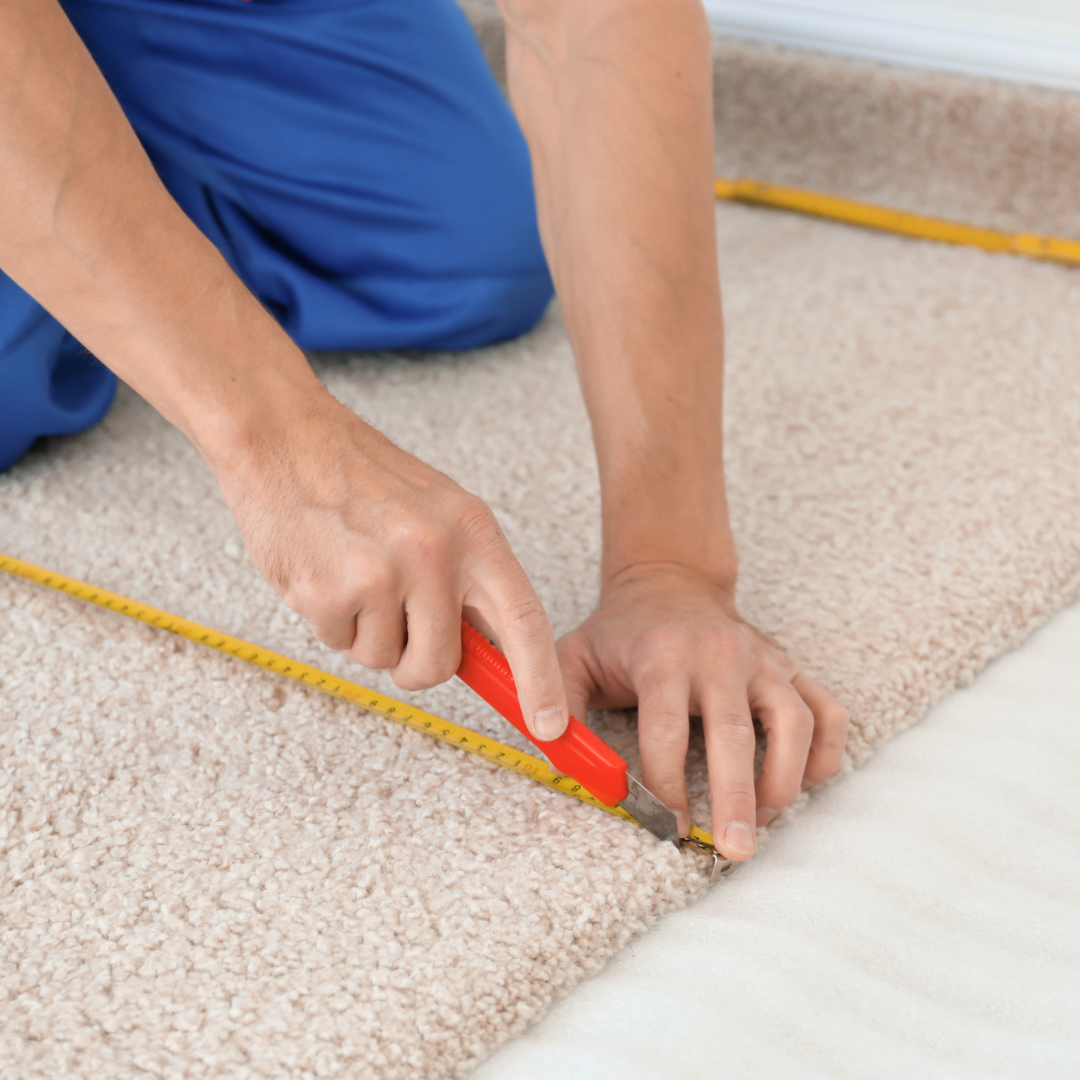
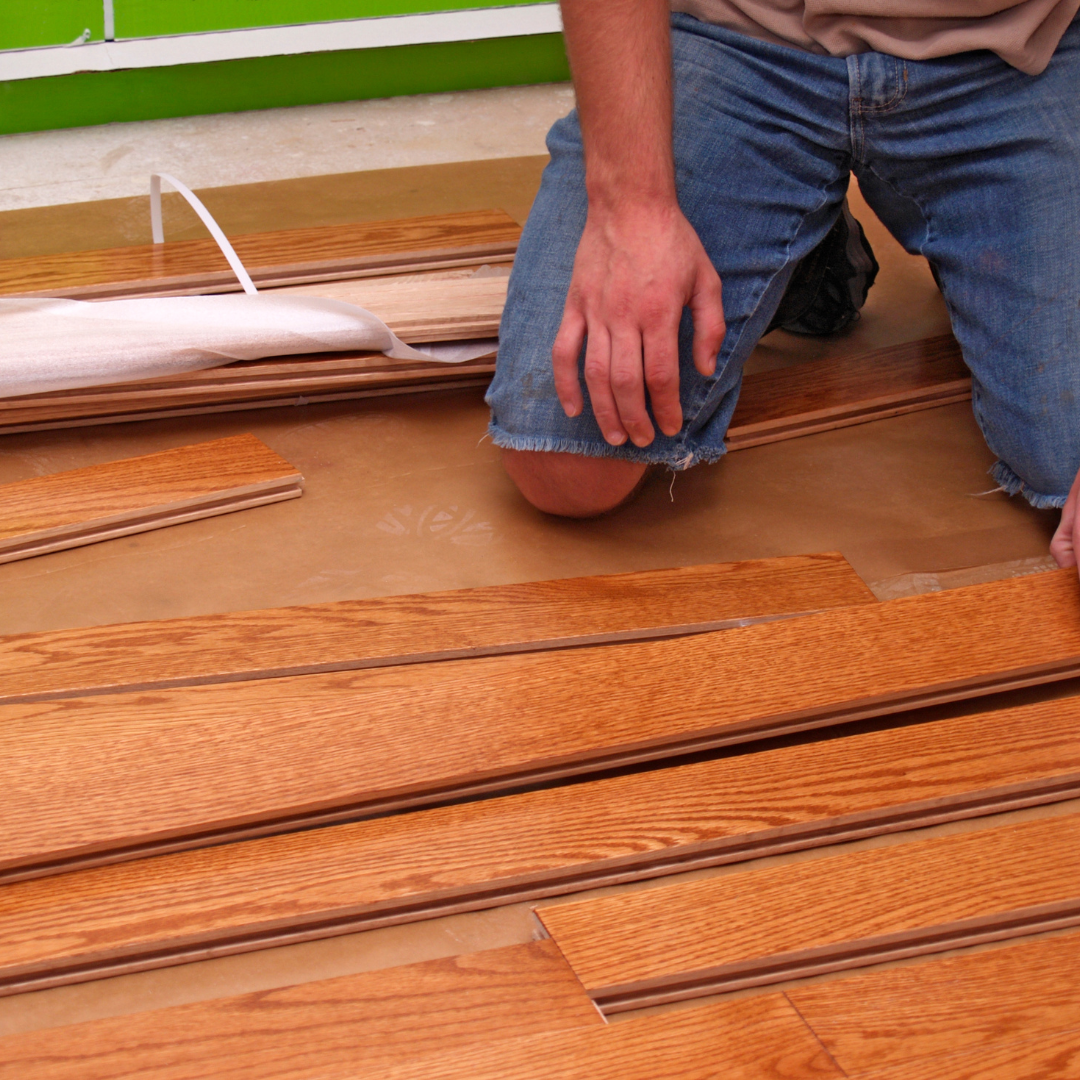
- Flooring Installation: Depending on the material, this involves cutting, fitting, adhering, and finishing.
- Finishing Details: Trim, transitions, and clean edges are installed.
- Clean-Up and Review: The crew removes tools and waste, then walks through the finished space with you.
Aftercare
- Cure Time: Some floors need time before use, especially those with adhesive or finish.
- Furniture Pads: Use protectors under furniture legs to avoid scratches.
- Routine Care: Follow cleaning guidelines specific to your floor type.
- Performance Monitoring: If you notice squeaks or separation, reach out quickly. Most issues can be corrected if addressed early.
Why This Process is Important in Northern NJ
Our regional conditions affect installation in several ways:
- Seasonal Changes: Temperature and humidity shifts affect wood and vinyl expansion. Installers must account for this in material choice and spacing.
- Older Homes: Many homes in the area have subfloor irregularities or past water damage. A careful inspection prevents future problems.
- Resale Market: Flooring is one of the first features buyers notice. A well-installed floor adds to your home’s appeal and value.
- Local Expertise: Northern NJ contractors understand regional needs—whether it’s older construction, basement moisture, or high-traffic urban areas.
How Creative Floors & Designs Approaches Professional Floor Installation
We work with homeowners across Northern New Jersey to deliver flooring that’s functional and visually appealing. Here’s our typical process:
- Consultation: We visit your home, take measurements, and ask about daily routines, family needs, and long-term plans.
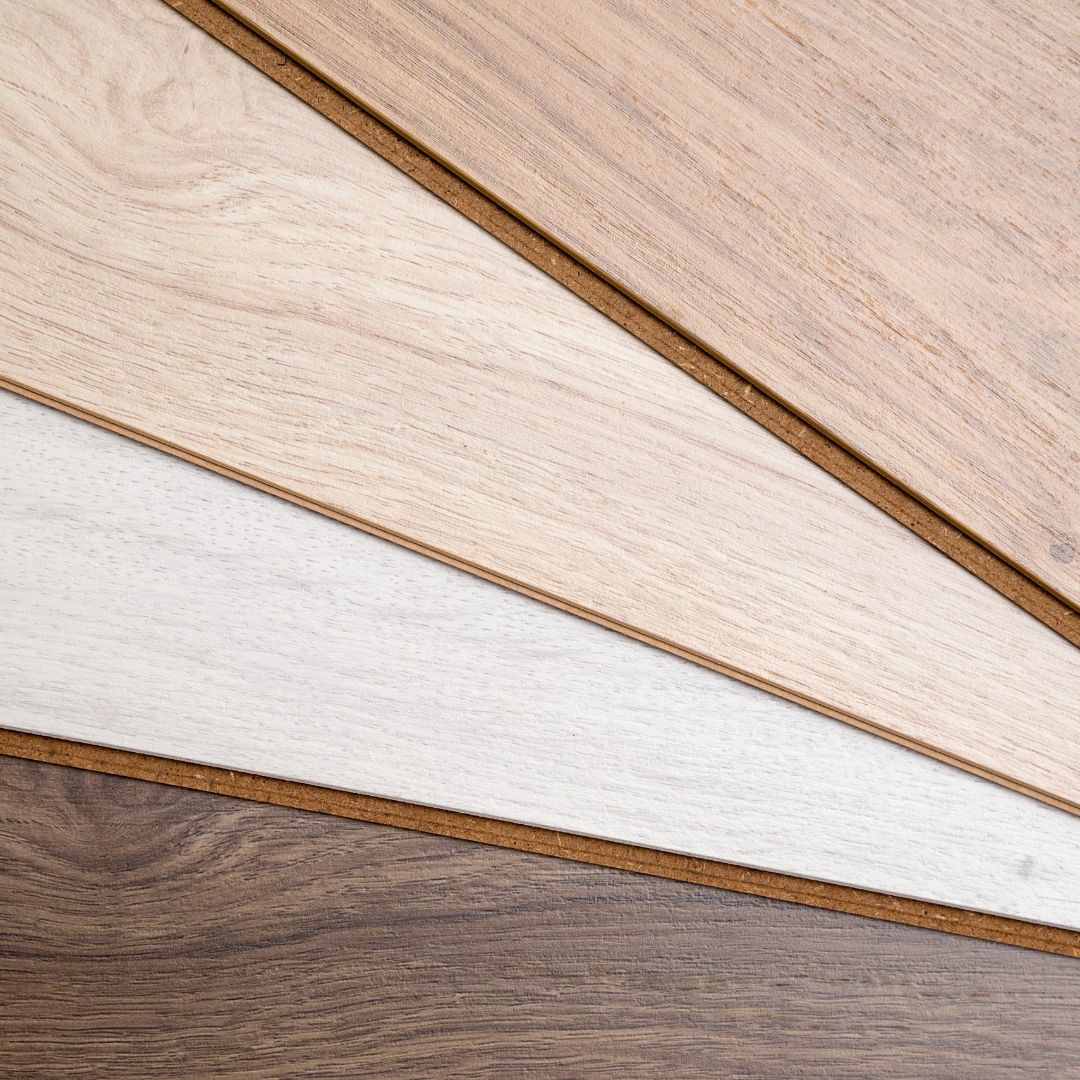
- Material Selection: With samples in hand, we help match your rooms to the right product, considering lighting and wear.
- Proposal: We send a clear estimate covering every part of the job, including removal, prep, labor, and clean-up.
- Installation: Our crew arrives on time, protects your home, works efficiently, and keeps your space tidy throughout.
- Walkthrough and Care Tips: We show you the final results, explain care steps, and answer any remaining questions.
- Follow-Up: We’re available for questions or maintenance needs long after the last board is installed.
Your Next Step
Flooring isn’t just about appearance—it’s about performance, comfort, and longevity. With a knowledgeable team like Creative Floors & Designs, you gain a partner who understands your home, your region, and how to get the job done right.
Ready to make a change? Schedule a consultation or visit our showroom to see how expert floor installation can elevate your space.
FAQ
Why should I hire a professional floor installer instead of doing it myself?
Professionals have the training and tools to avoid common mistakes—like uneven surfaces or moisture problems—that can lead to long-term damage and costly repairs.
How do I know if a flooring contractor is reliable?
Look for licensing, insurance, positive local reviews, and a detailed written estimate. A good contractor will also perform a subfloor evaluation and provide a project timeline.
What’s included in a professional floor installation quote?
Quotes typically include materials, labor, subfloor prep, removal of old flooring, cleanup, and finishing details like trim and transitions.
How long does the floor installation process take?
It varies by material and square footage. Vinyl or laminate in a standard room may take one day; hardwood throughout a home could take several days.
Will professional installers help with choosing flooring materials?
Yes, experienced installers consider your lifestyle, room usage, and local climate to recommend the best flooring type for durability and aesthetics.
Can old flooring be reused?
Sometimes. A professional can assess whether the existing material is in good enough condition to be repurposed or if replacing it is the better option.